
OCD Treatment in Florham Park, NJ
OCD is exhausting. The thoughts don’t stop. The rituals take longer every month. And the people in your life, the ones who love you, keep saying things like “just stop thinking about it” as if you haven’t tried that a thousand times already.
You’re not broken. You’re stuck in a loop that has a name, a mechanism, and a treatment that works. I’ve spent twenty years helping people get unstuck from it.
What OCD Actually Looks Like
Most people picture hand-washing or checking locks. That’s a small slice. OCD is any pattern where an intrusive thought creates intense distress, and you perform a behavior (mental or physical) to neutralize it. The relief lasts seconds. The cycle repeats for hours.
Some common forms I treat:
- Contamination OCD: Fear of germs, illness, or “spreading” something harmful. Excessive washing, avoiding, cleaning.
- Harm OCD: Intrusive thoughts about hurting someone you love. You’d never act on them. That’s exactly why they terrify you.
- Relationship OCD: Constant doubt about whether your partner is “the one.” Reassurance-seeking that erodes the relationship it’s trying to protect.
- “Just right” OCD: Things need to feel complete, symmetrical, or perfect. Repeating, ordering, re-reading until it clicks.
- Pure O: No visible rituals, but relentless mental reviewing, checking, analyzing. It’s invisible to everyone else and consuming on the inside.
If you’ve been in therapy before and it didn’t help, there’s a good chance you were doing talk therapy. Talk therapy doesn’t treat OCD. It can actually make it worse by becoming another reassurance ritual. What works is something more specific.
How I Treat OCD: ERP and CBT
Exposure and Response Prevention is the gold-standard treatment for OCD. It’s not a buzzword. It’s the approach with the strongest evidence base across decades of research, and it’s what I’m trained and certified in.
Here’s what it means in plain terms: we gradually expose you to the thoughts, images, or situations that trigger your OCD, and we practice sitting with the discomfort instead of performing the compulsion. Over time, your brain learns that the anxiety passes on its own. The thoughts lose their power. The cycle breaks.
This isn’t about willpower. It’s about rewiring the fear response through structured, supported practice. I build the plan. You do the work. We move at your pace.
Cognitive Behavioral Therapy wraps around the ERP. We look at the beliefs that keep OCD in the driver’s seat: “If I think it, it must mean something.” “I need to be 100% certain.” “If I don’t do the ritual, something terrible will happen.” We challenge those beliefs directly, not with platitudes, but with evidence and logic that holds up outside my office.
What Sessions Look Like
First session: I listen. You tell me what’s happening, how long it’s been going on, and what you’ve tried. I ask specific questions to understand which OCD subtype we’re dealing with and how severe it is. No judgment. Most people have never said these thoughts out loud before. That’s normal.
From there, we build a hierarchy together. Think of it as a ladder. Bottom rungs are mildly uncomfortable exposures. Top rungs are the situations your OCD has made completely off-limits. We start at the bottom. Nobody gets thrown into the deep end.
Sessions are weekly, typically 45-50 minutes. I assign practice between sessions because this work can’t live only in my office. Most people notice meaningful relief within 12 to 20 sessions. Some faster. Some take longer. The variable is severity, not effort.
Who I Work With
Adults and adolescents. I see clients in person at my Florham Park office and via telehealth throughout New Jersey. If your teenager has OCD, I involve parents enough to support the treatment at home without becoming accommodation partners. That balance matters.
About Me
I’m Dan Linehan. I’m a Licensed Clinical Social Worker with twenty years of clinical experience and specific certification in Cognitive Behavioral Therapy with a focus on OCD treatment. I use ERP because it works, not because it’s trendy. I’ve watched it change hundreds of lives, including people who had given up on therapy entirely.
My style is direct, warm, and structured. I don’t sit silently and nod. I teach, I push (gently), and I track your progress with you so you can see the evidence that things are shifting. This work requires trust, and I take that seriously.
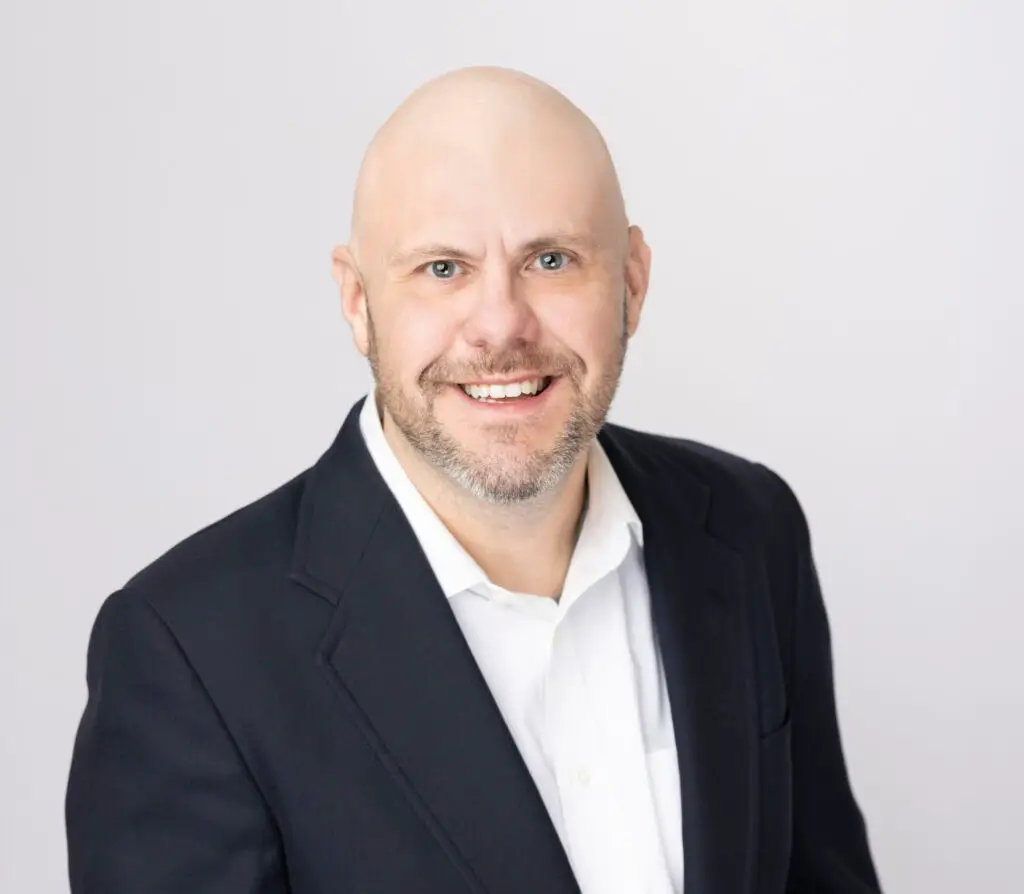
Dan Linehan, LCSW
OCD Therapist | CBT & ERP | 20 Years of Clinical Experience
Take the First Step
The hardest part of OCD treatment is making the call. Your OCD might even have opinions about whether you should. Notice that. Then call anyway.
(973) 845-8430
Or reach out through the contact form on this site below.
Cognitive Change is located at 248 Columbia Tpke, 2nd Floor, Building 2, Florham Park, NJ 07932. We serve clients from Madison, Chatham, Morristown, East Hanover, Livingston, Short Hills, and throughout Morris County. Telehealth available statewide.